Reining Knowledge
Understanding Reining Saddles
What a Reining Saddle Is Built to Do
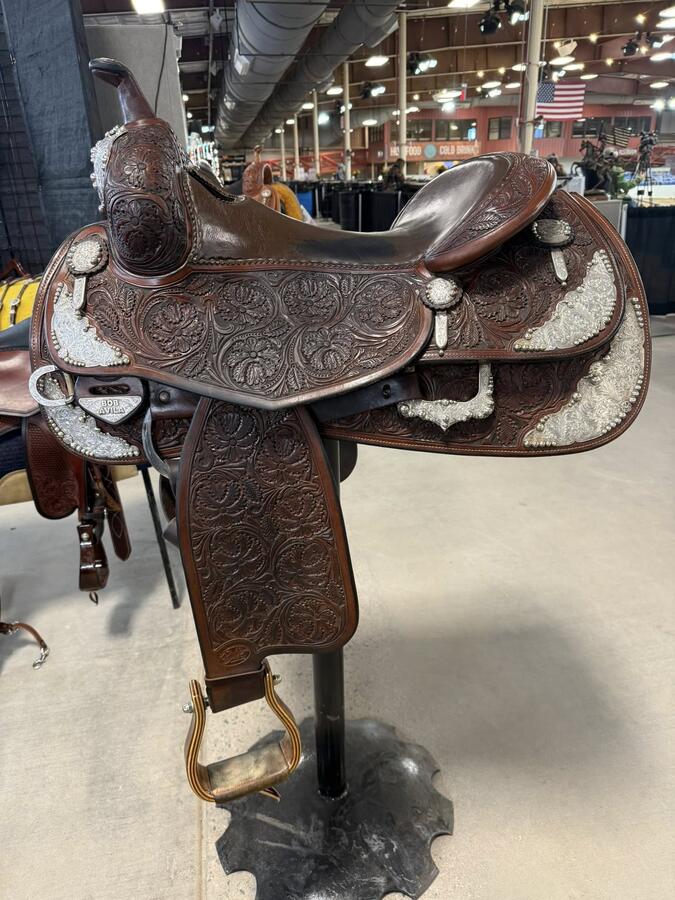
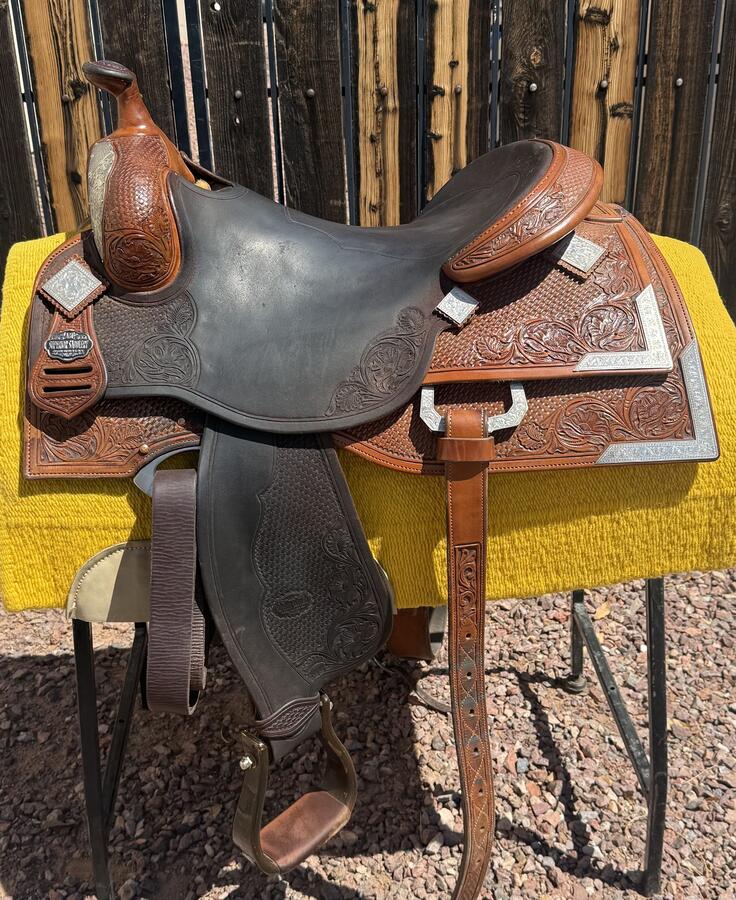
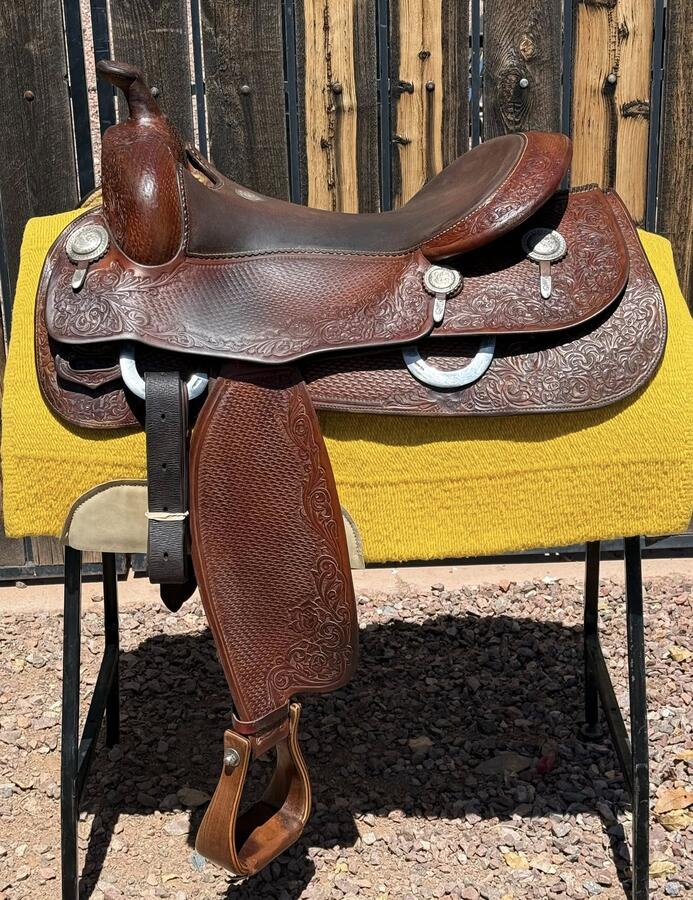
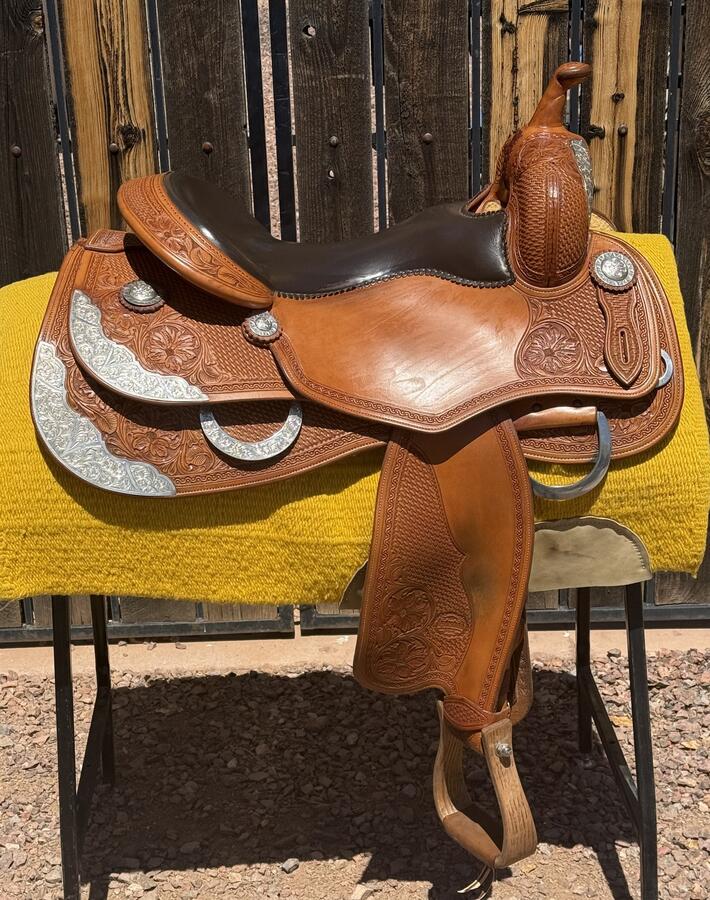
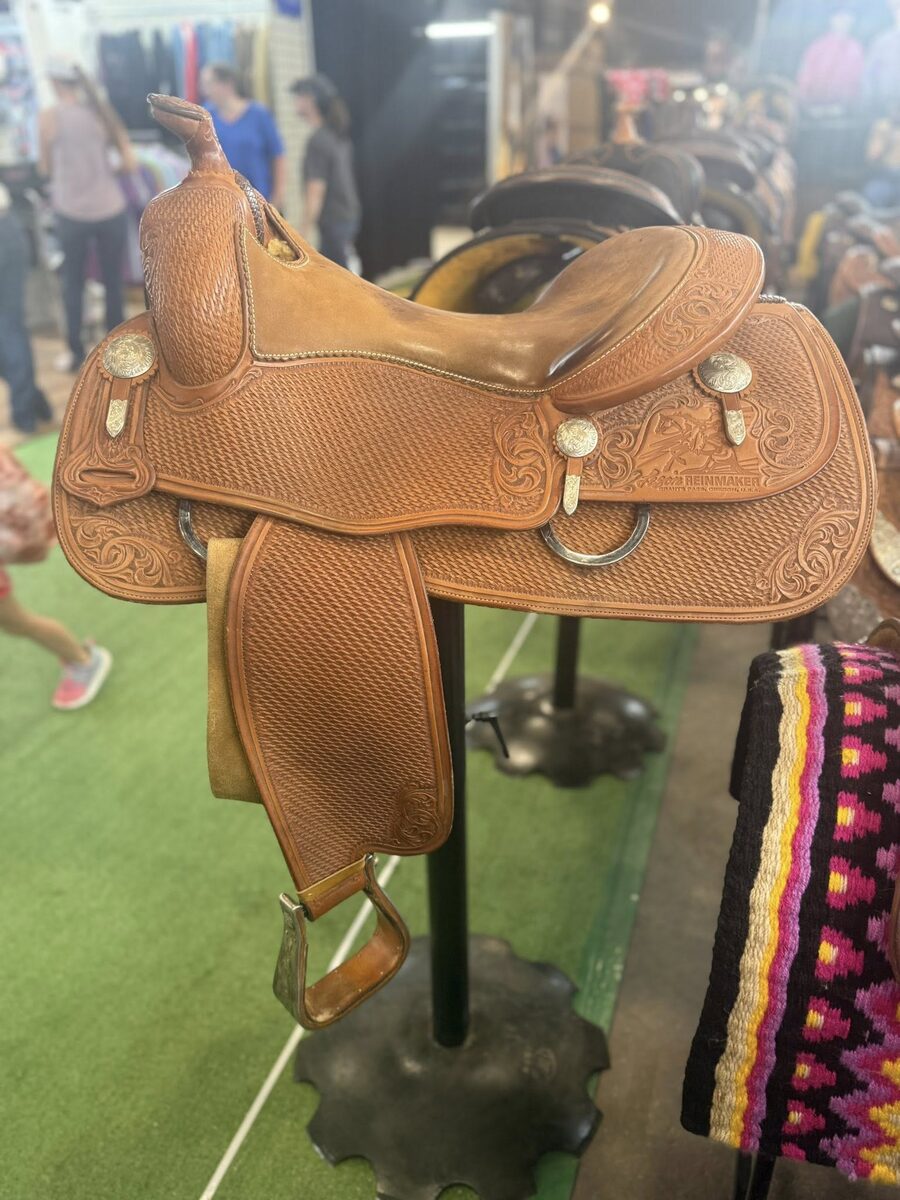
Reining is a precision sport. A reining horse executes large fast circles, small slow circles, flying lead changes, rollbacks, spins, and sliding stops — all on a loose rein, all in a defined pattern, all judged against a standard of correctness. The saddle a reiner rides has to allow that full range of motion in every direction while keeping the rider balanced, still, and in the right position to communicate with quiet body movement alone.
The reining saddle is purpose-built around the stop. When a reining horse executes a sliding stop, the rider has to stay centered and remain in position without bracing against the horse. A saddle that pitches the rider forward in the stop, or forces them to brace against the fenders to stay seated, costs maneuverability and costs points. Everything about the reining saddle — seat shape, stirrup position, tree design, skirt length — flows from solving that problem.
The Defining Design Features
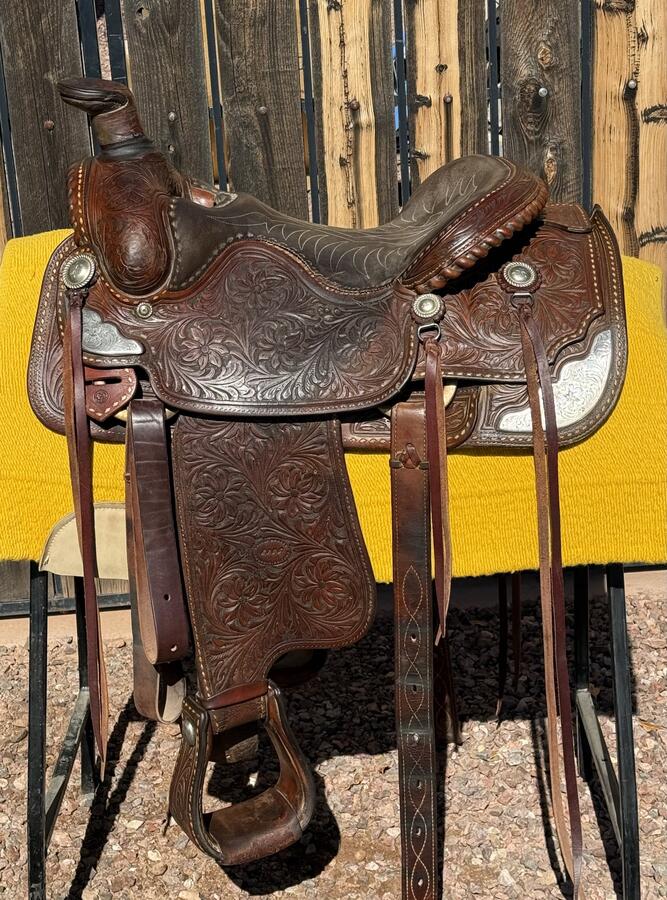
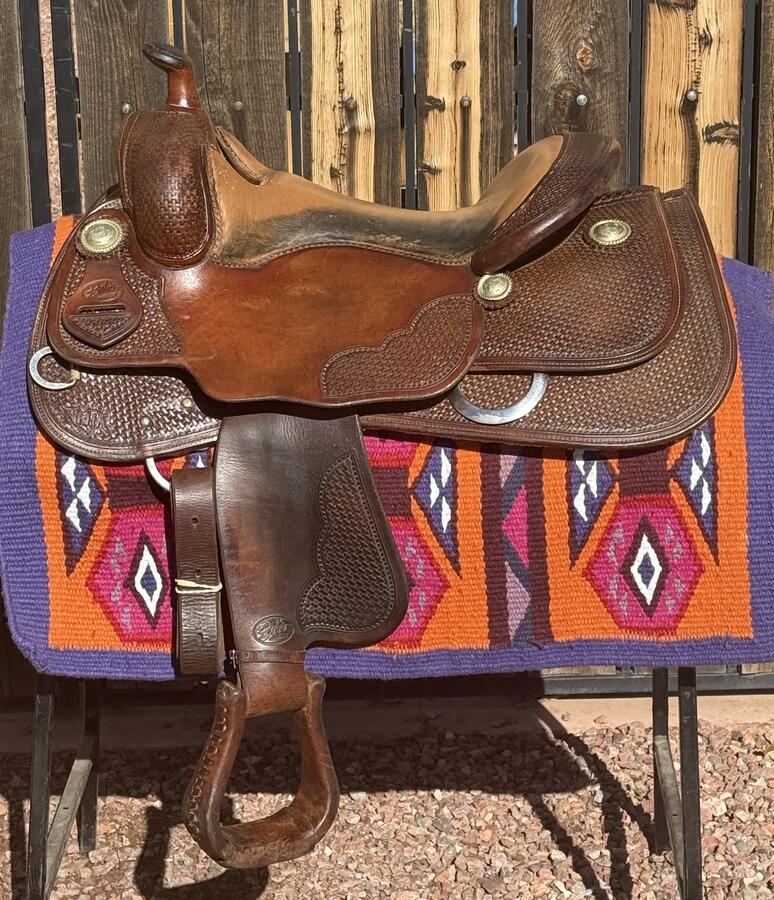
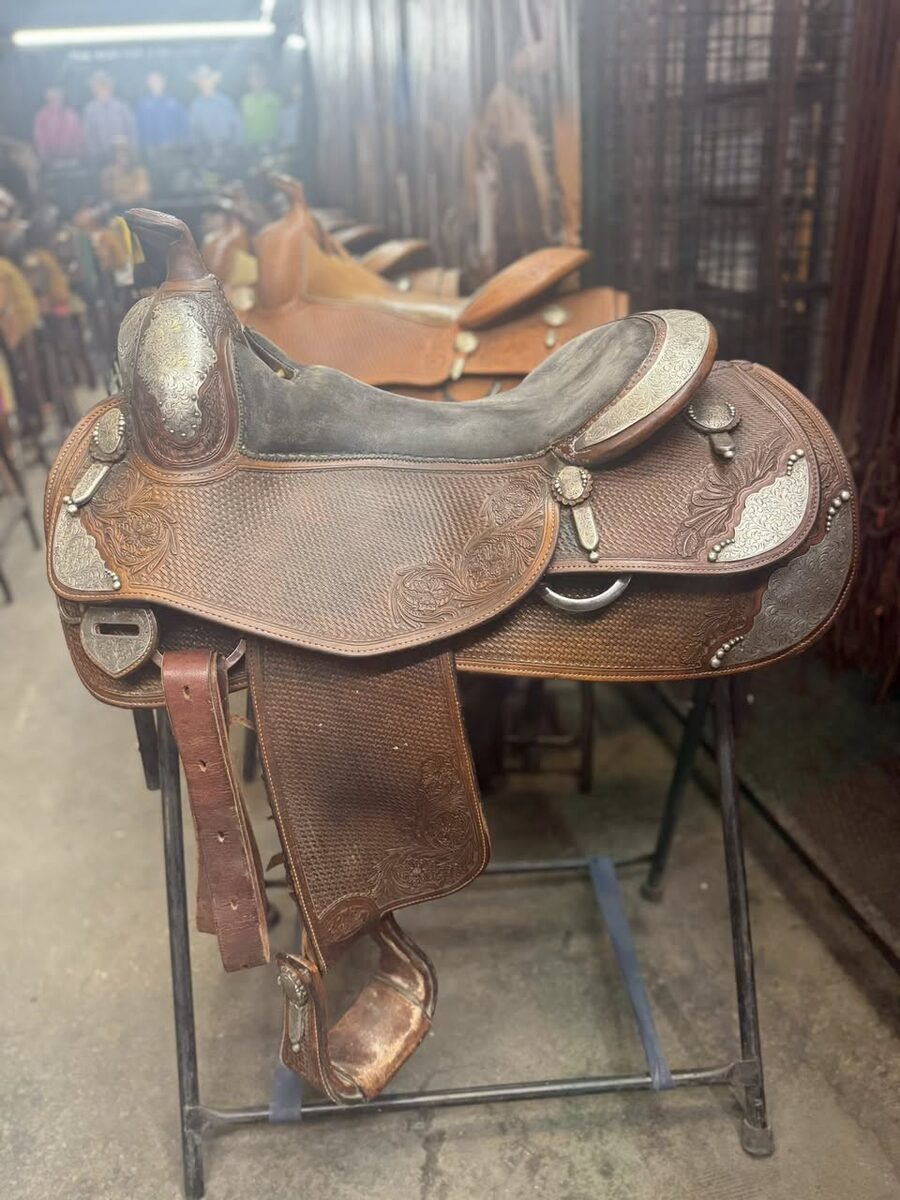
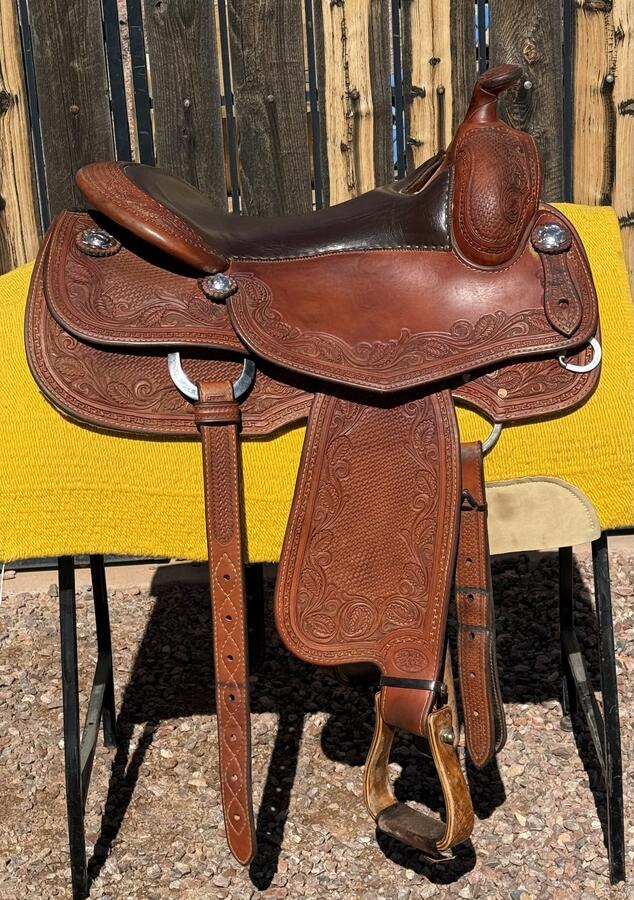
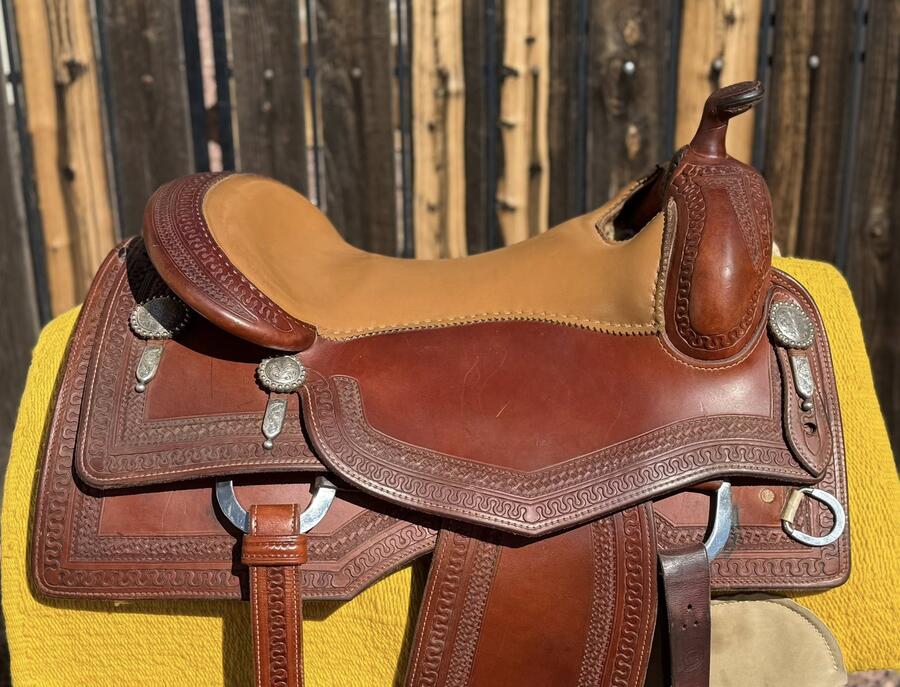
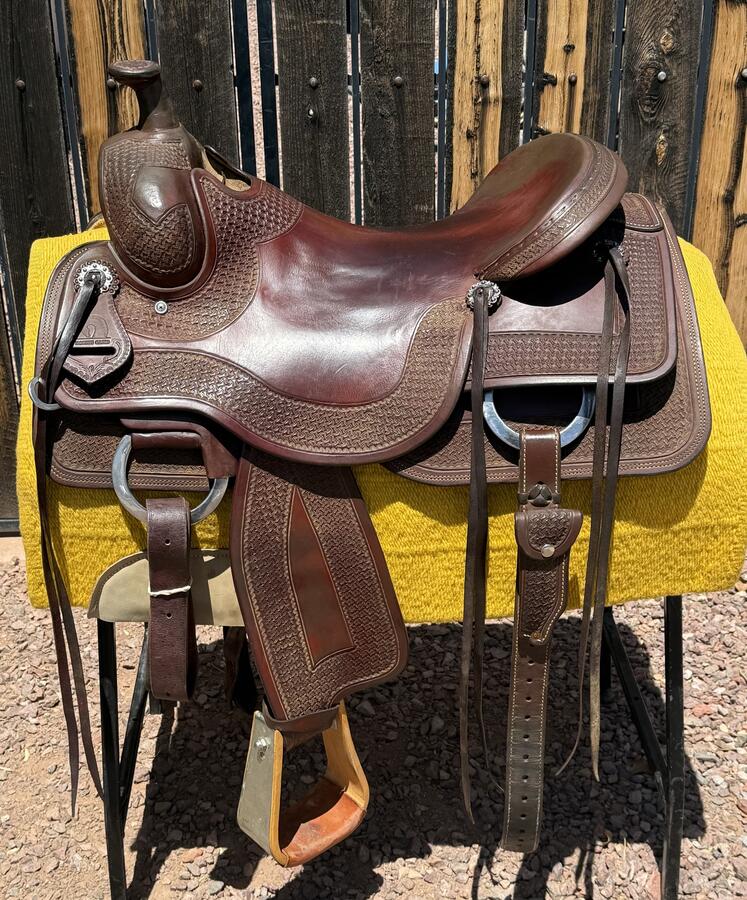
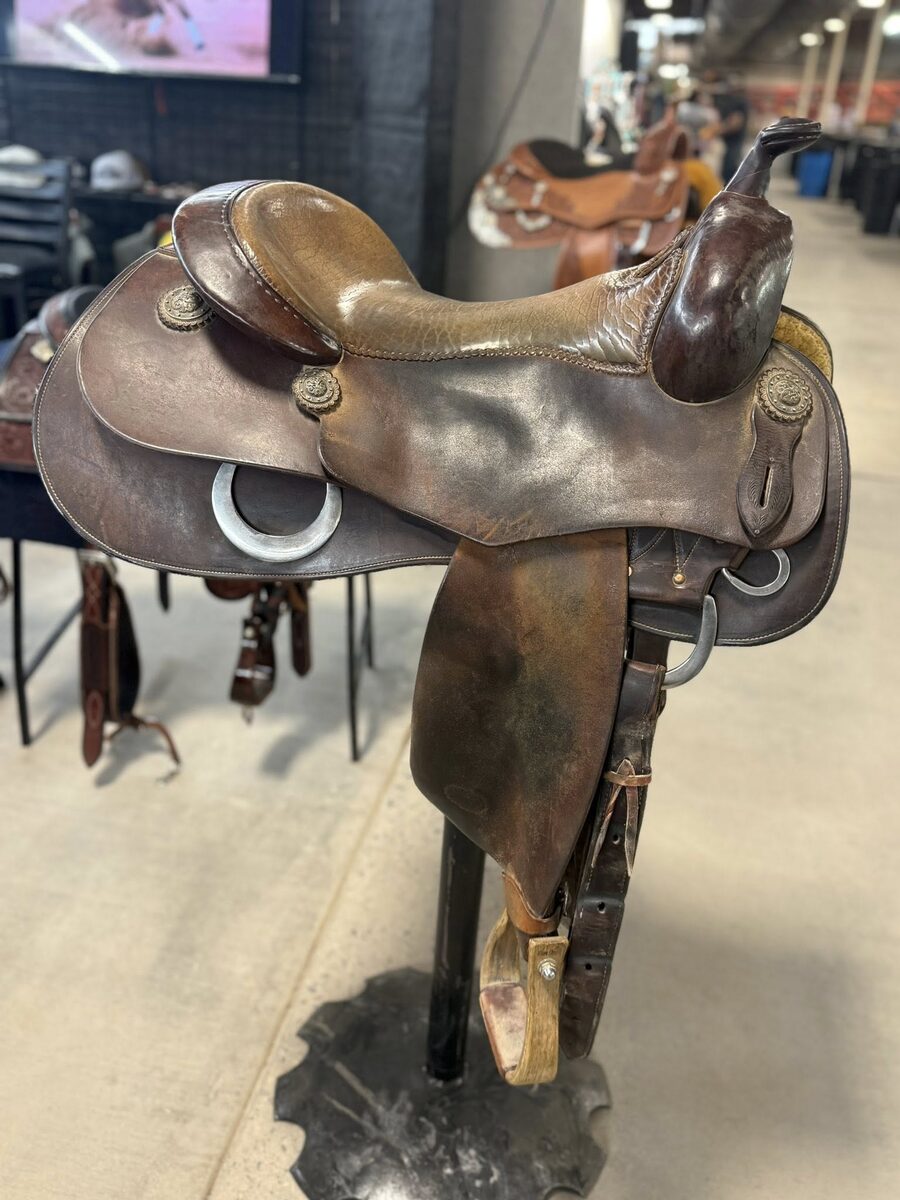
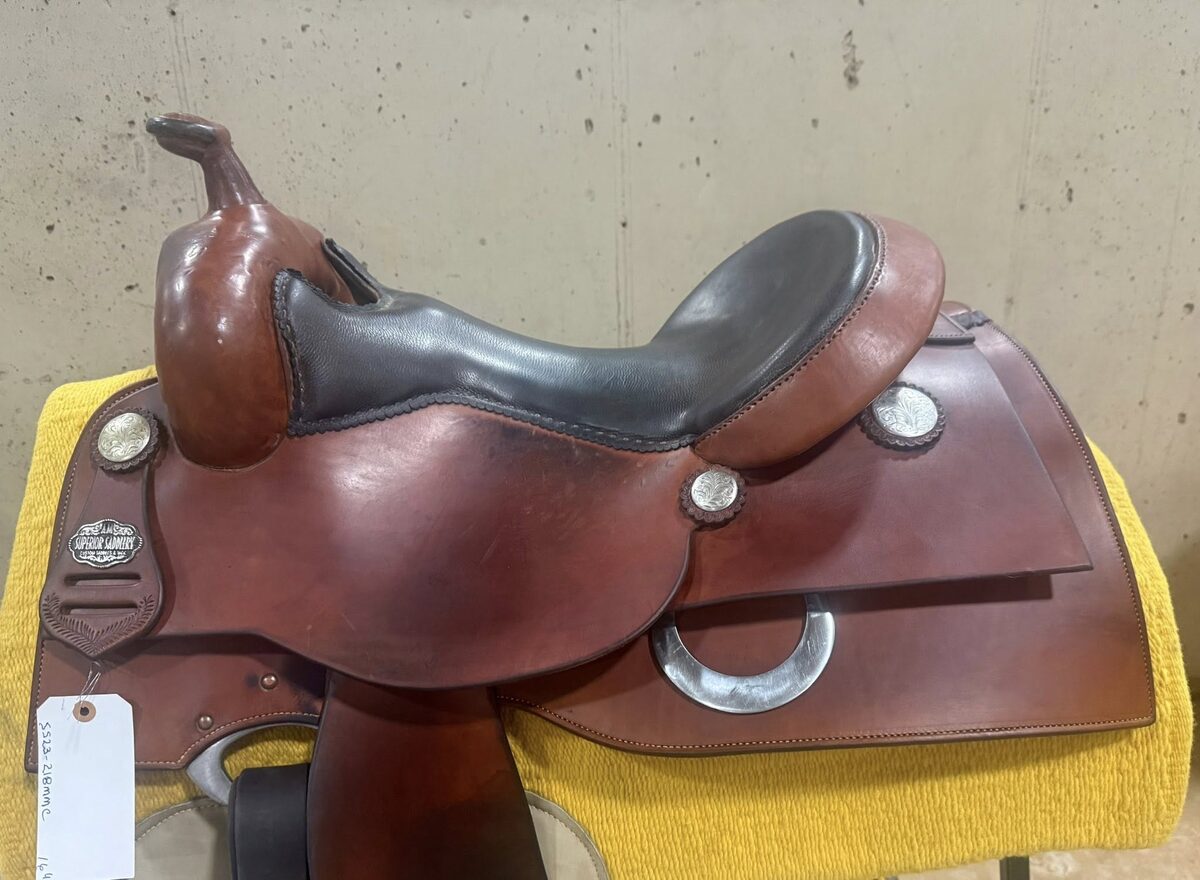
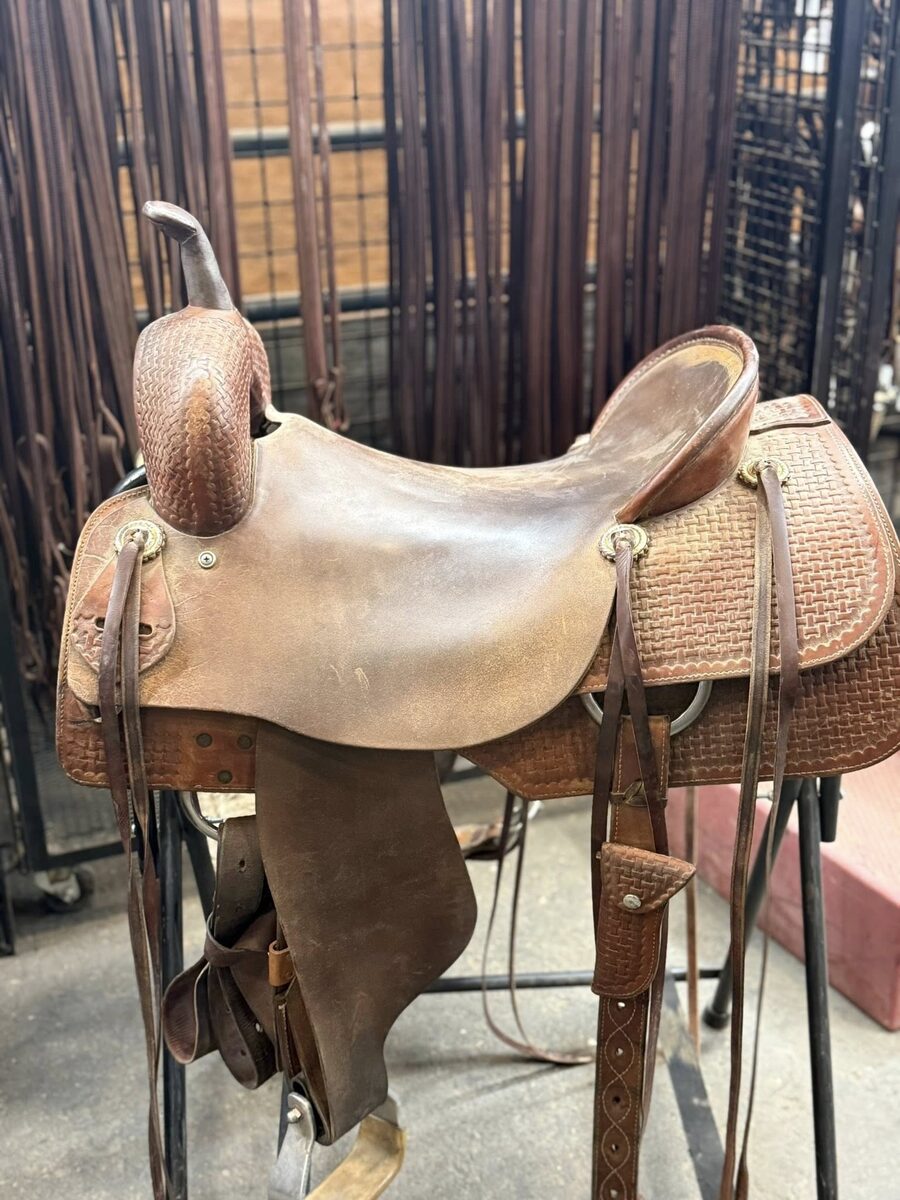
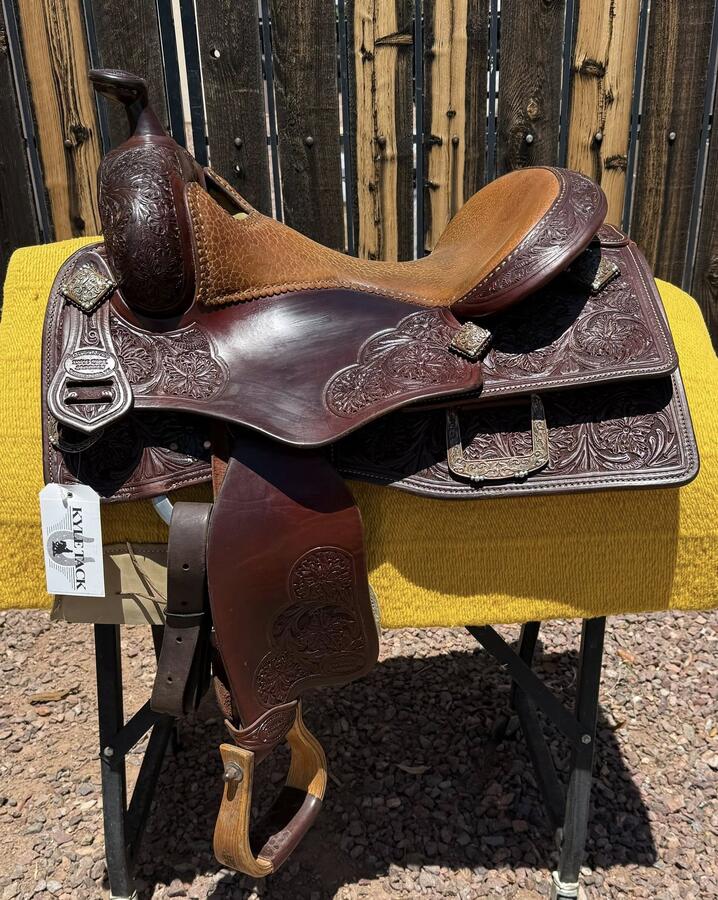
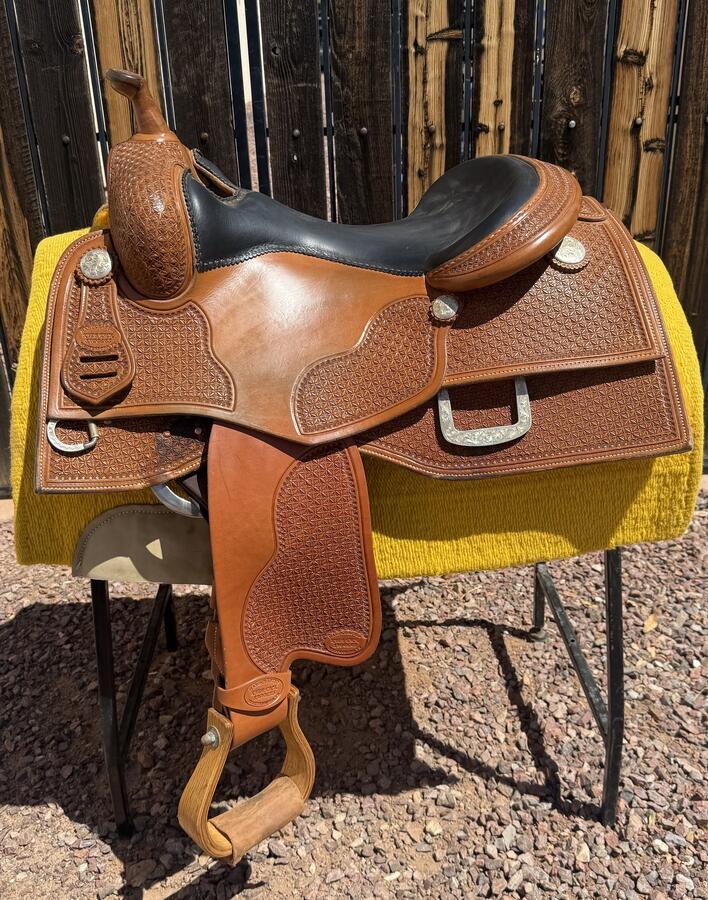
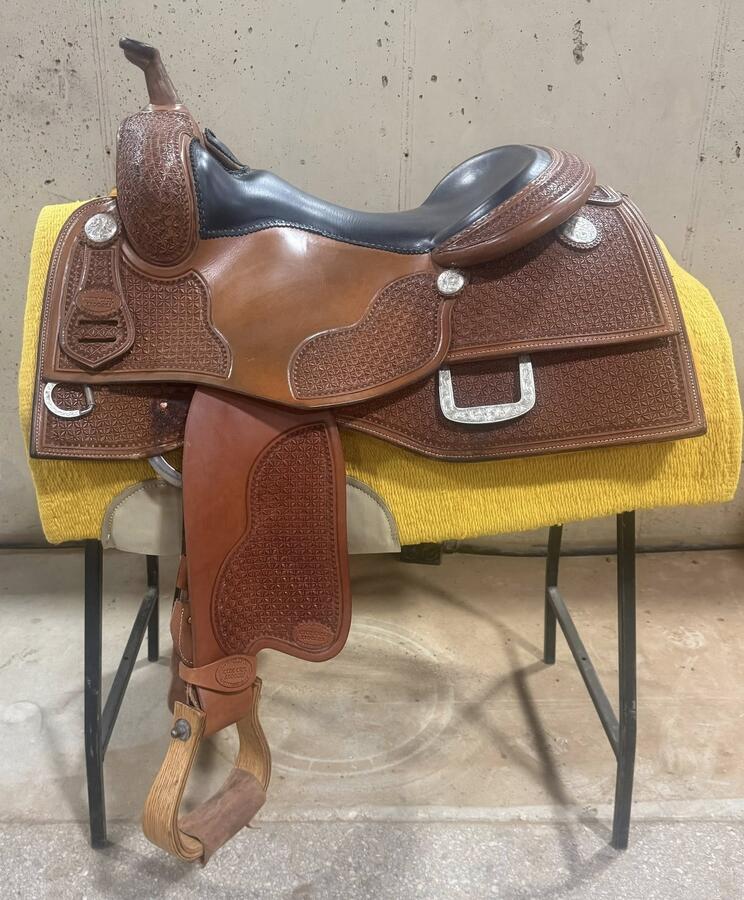
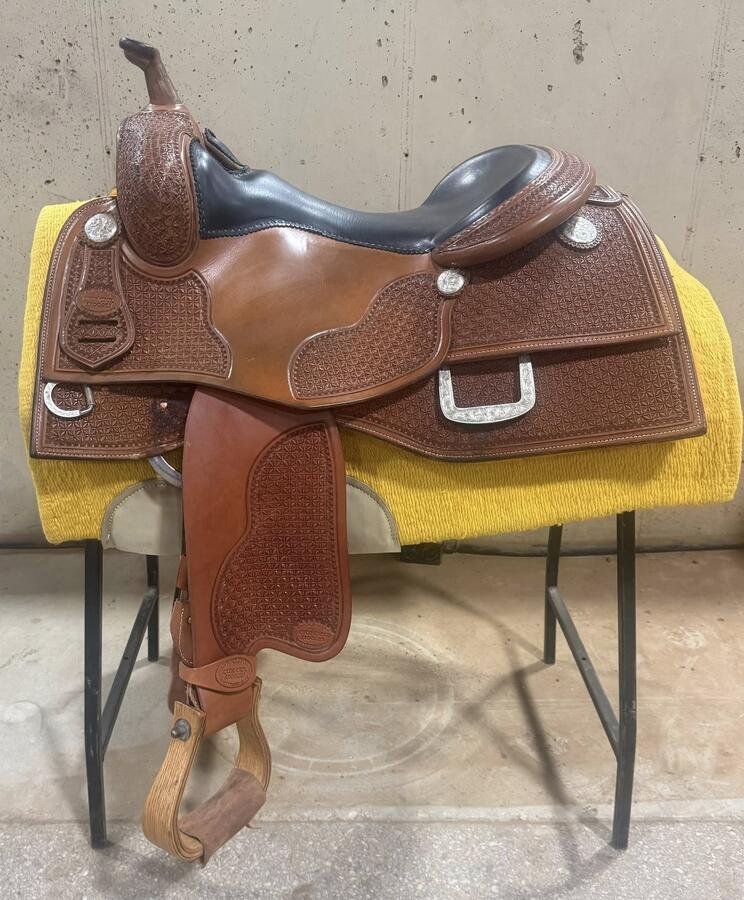
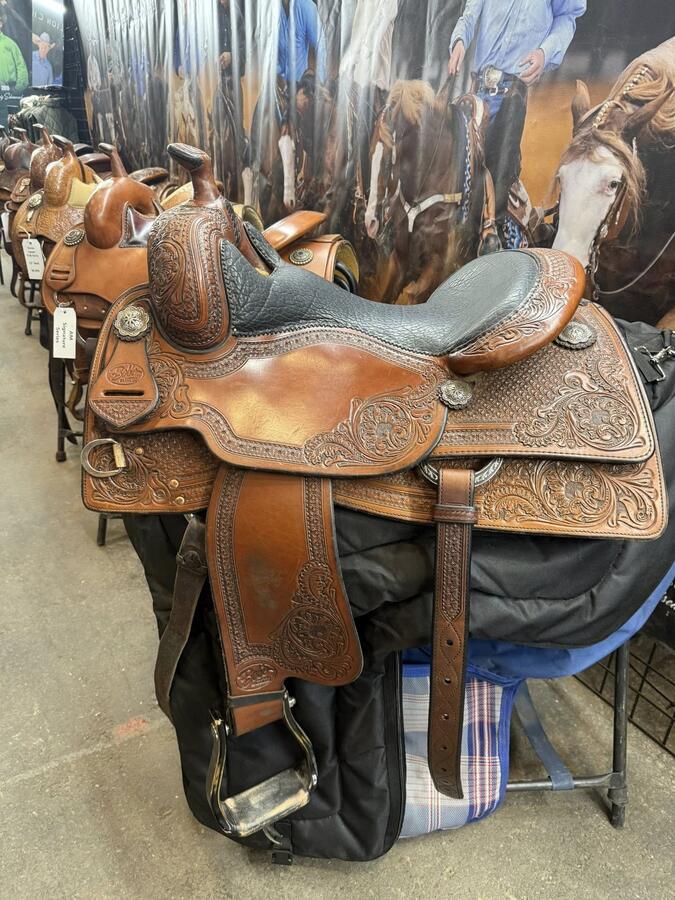
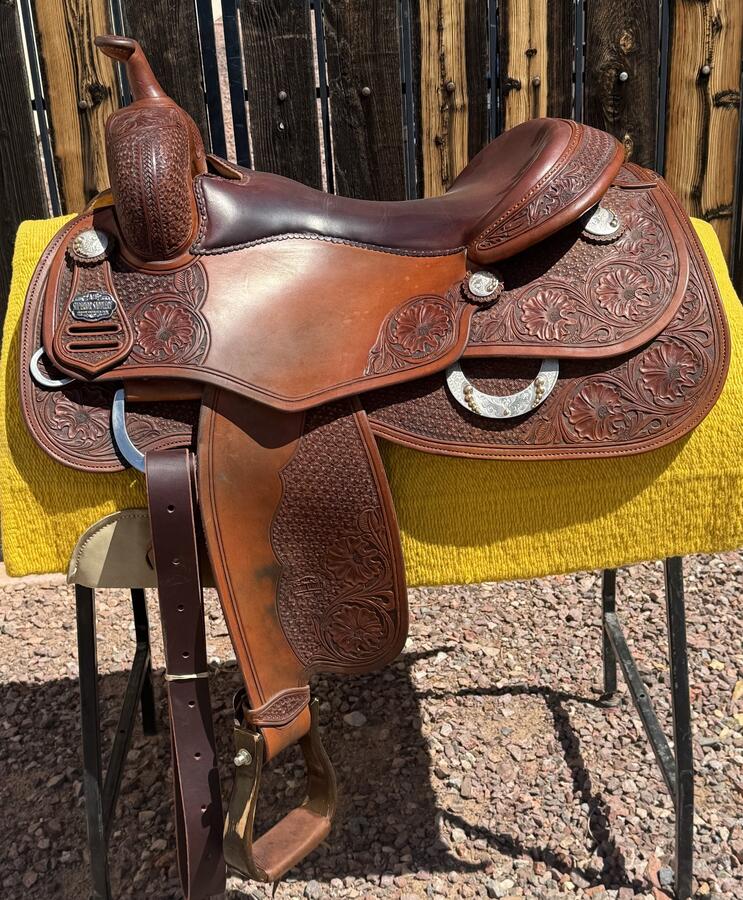
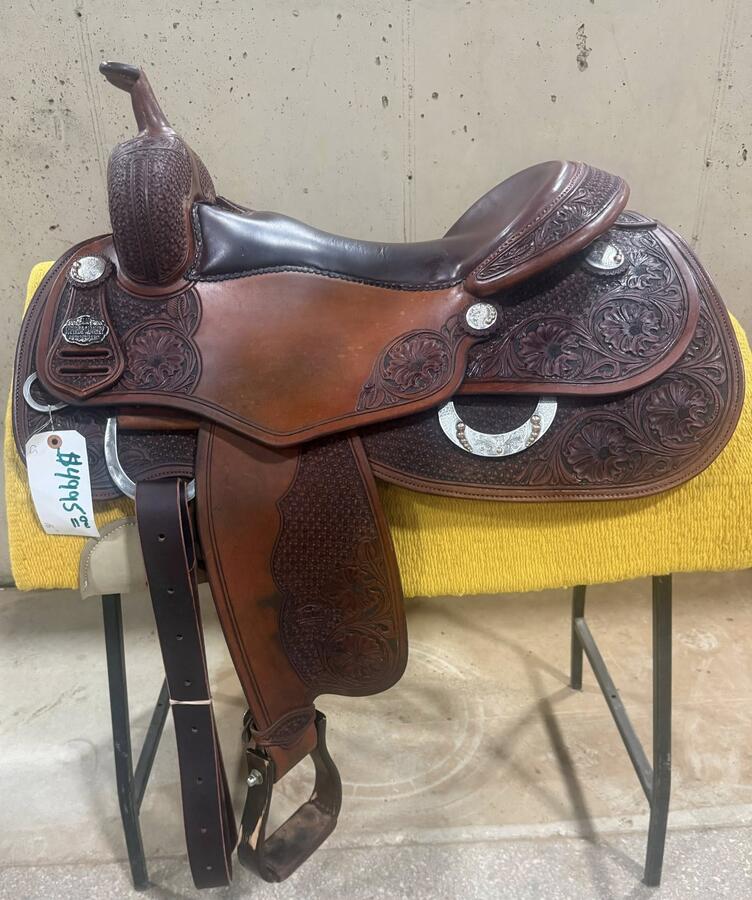
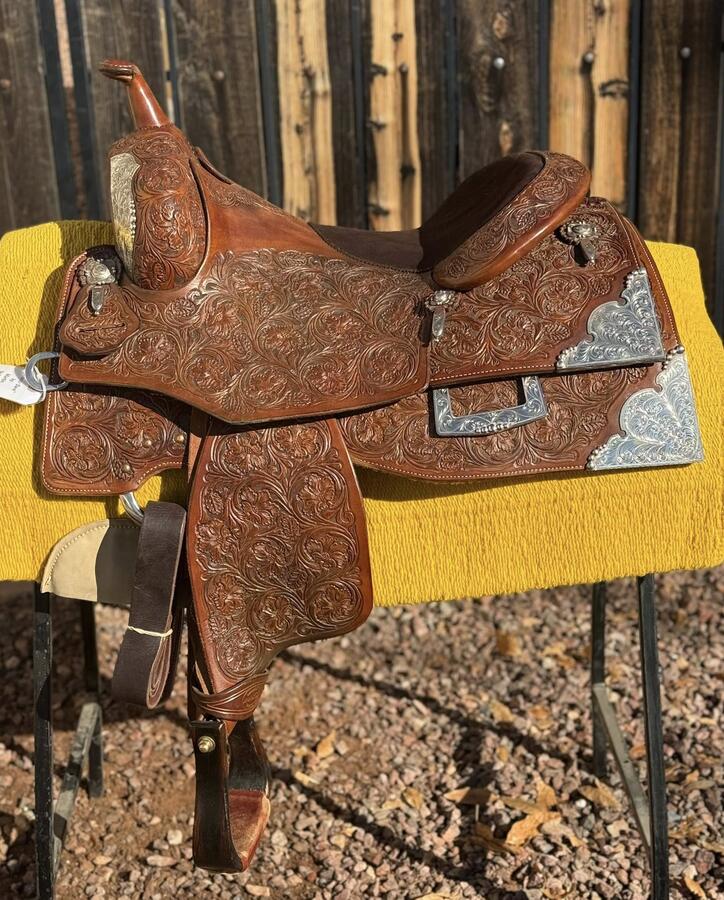
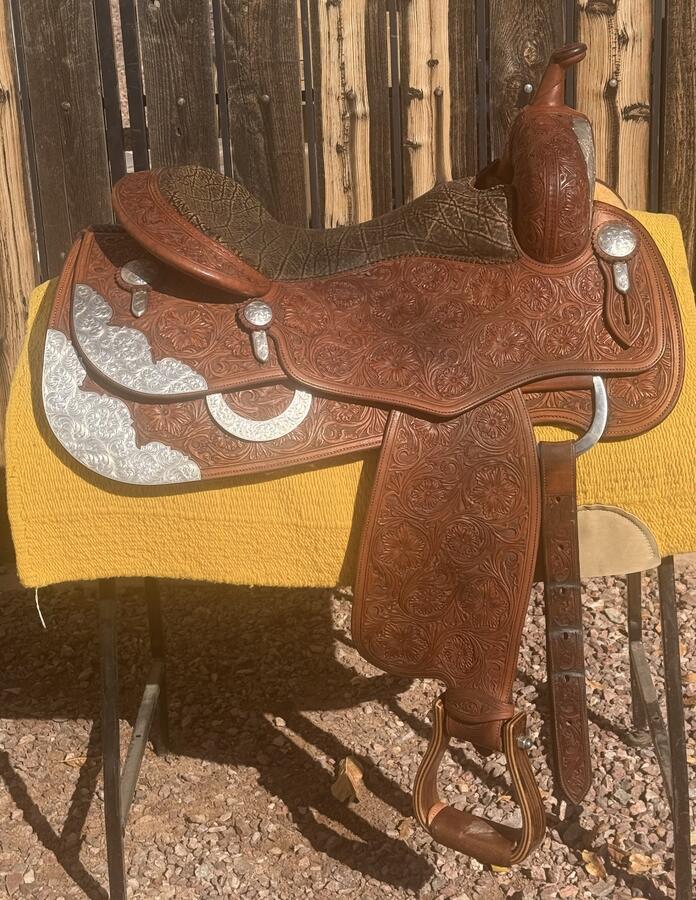
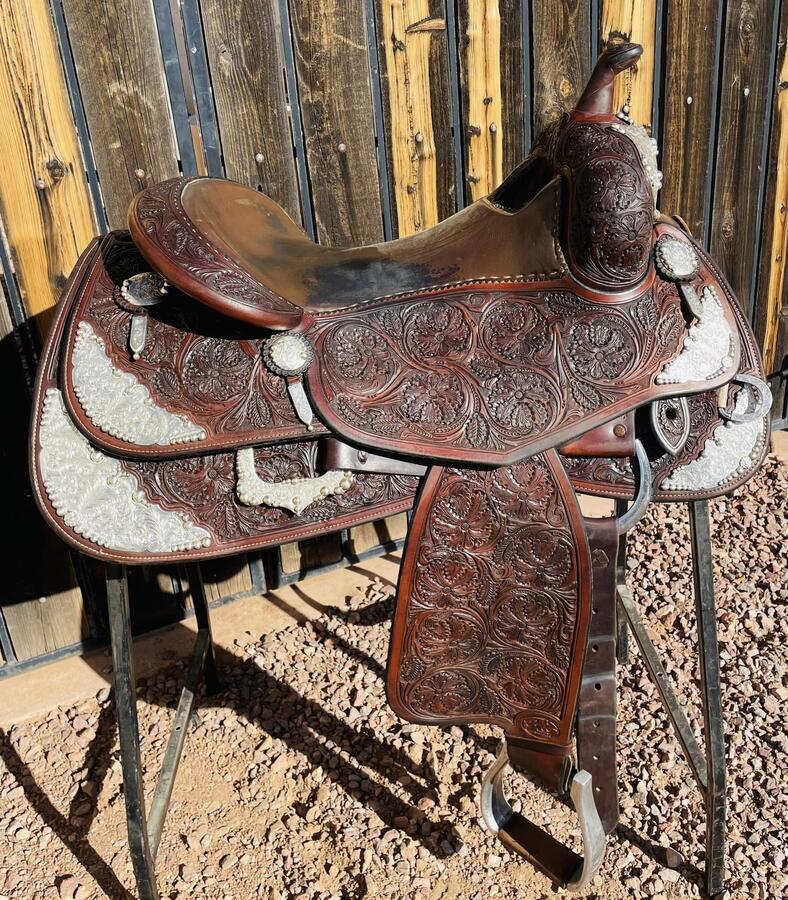
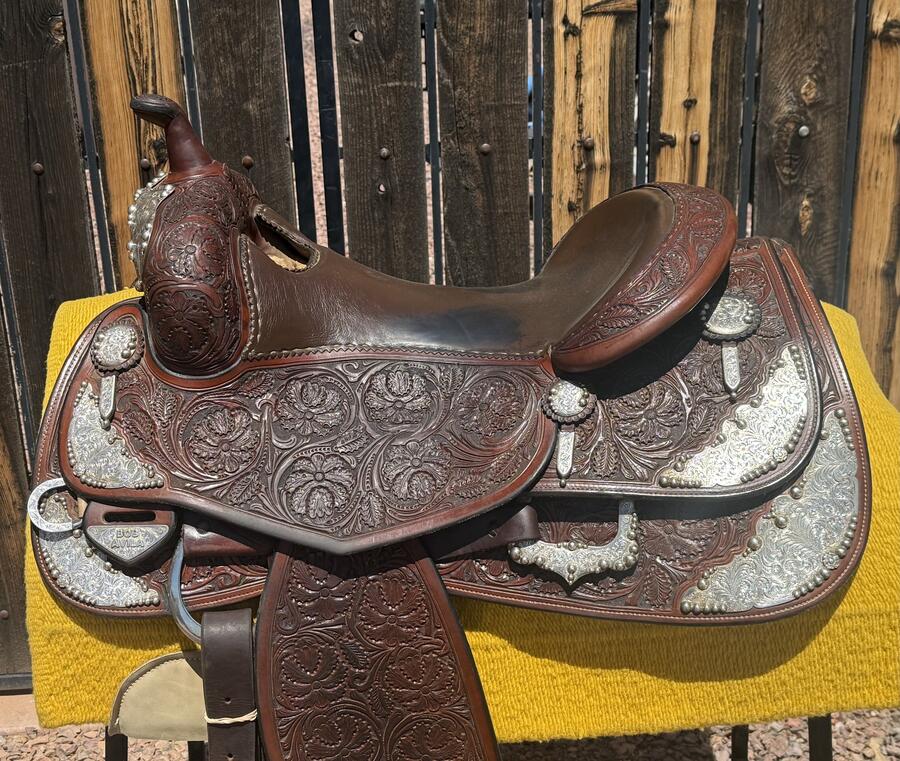
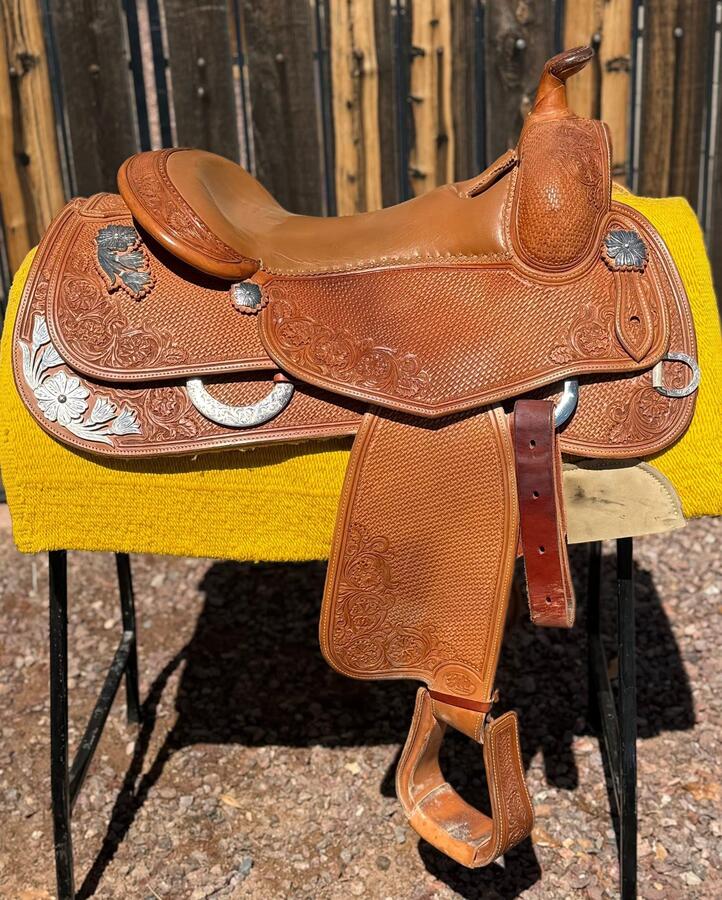
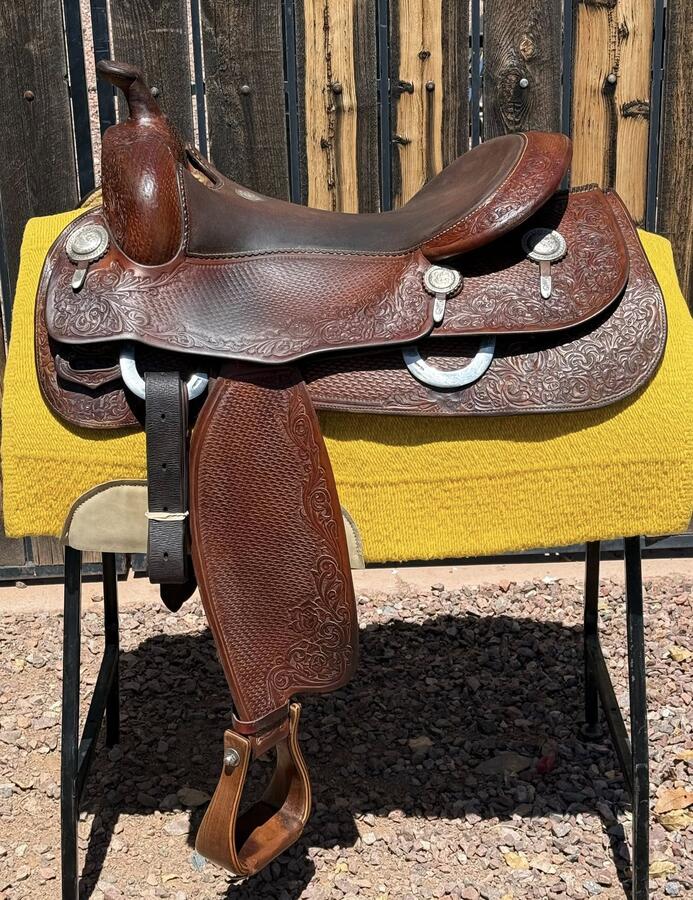
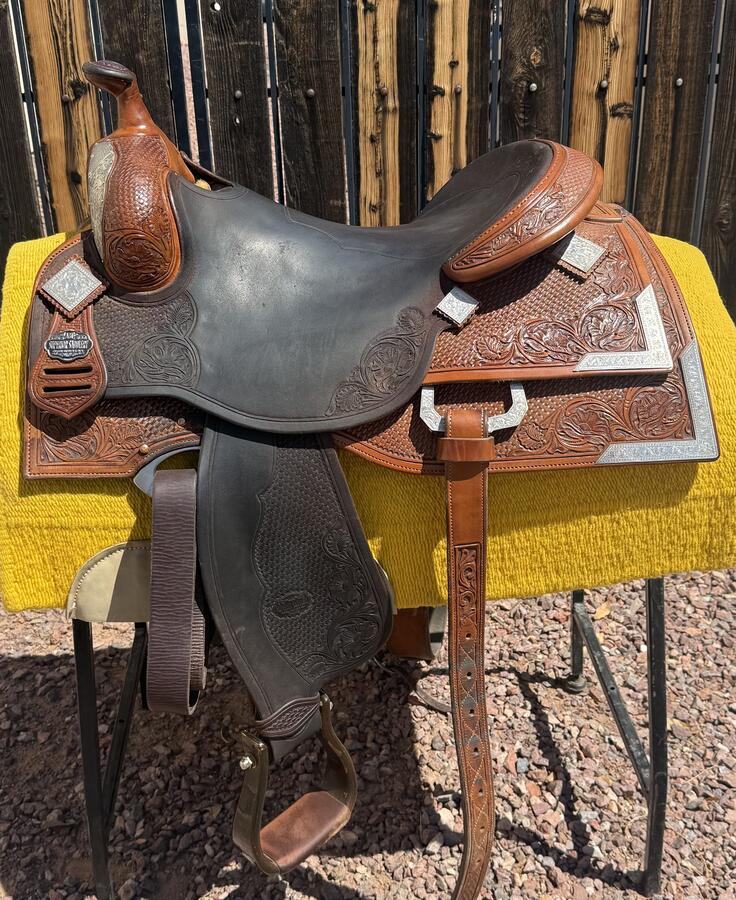
The seat of a reining saddle is flat to slightly dished, with a gradual slope rather than the deep pocket of a cutting or cow horse saddle. This allows the rider to move with the horse rather than being locked in place — critical for the fluid position changes required through circles, lead changes, and spins. The cantle is low, providing back support without restricting movement.
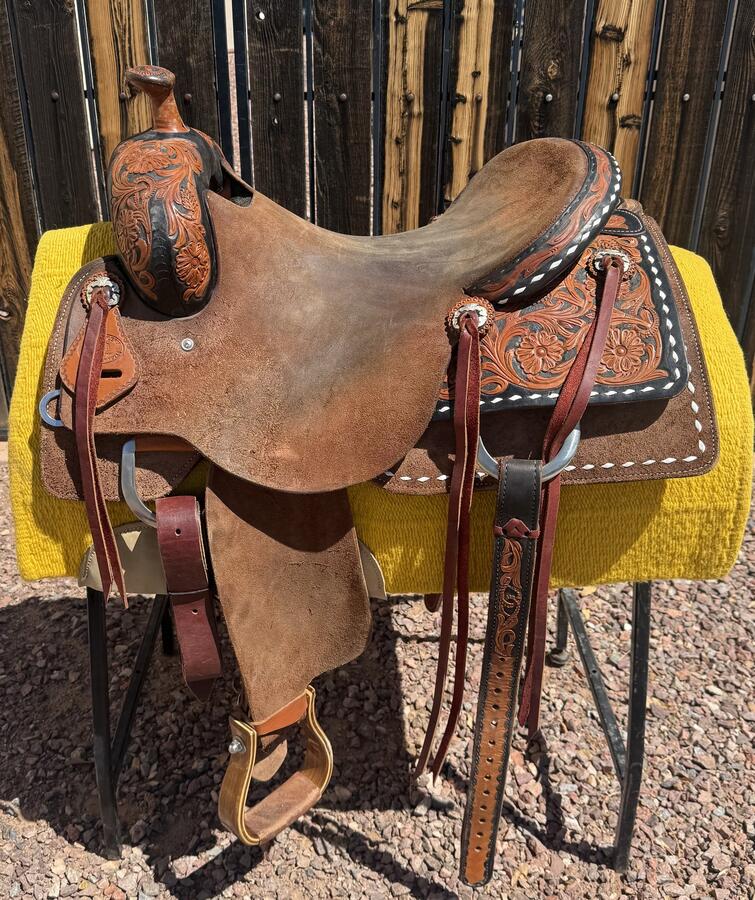
The horn on a reining saddle is minimal — narrow neck, small cap, positioned to stay out of the way. Reiners do not use the horn for balance or bracing. A large horn is an obstacle. The rigging is most commonly in-skirt or flat plate, which keeps the bulk off the horse's side and allows the fenders to hang straight without interference. In-skirt rigging distributes the cinch load more evenly across the tree and is the standard on high-end reining builds. The skirts are round and typically shorter than ranch or roping saddles, reducing weight and allowing freedom at the horse's flanks.
The stirrup position on a quality reining saddle is balanced under the rider's center of gravity, not swept forward into a pleasure-horse position or pushed back behind the hip. The fenders hang straight and are typically pre-turned so they do not fight the rider's leg position from the first ride.
The Makers That Matter
What to Look for in a Used Reining Saddle
The tree is the non-negotiable starting point. A reining saddle with a cracked, twisted, or broken tree cannot be fixed at a reasonable cost and should not be ridden. Test the tree by gripping the horn and cantle and applying pressure in opposite directions — there should be zero flex or movement. Any give indicates a compromised tree.
Beyond the tree, look at the in-skirt rigging area if applicable — the stitching where the rigging connects to the tree should be tight and even. Check the jockeys where they meet the seat for dry leather or separation. The stirrup leathers and fenders take the most wear of any part of a reining saddle — look where the leather bends at the bar of the stirrup and at the fender slot. Even small cracks in these areas will worsen quickly under use.
David has been buying and selling reining saddles since the NRHA was a fraction of its current size. Contact David →